My Work
Exploring form, material, and light through thoughtful design
Exploring form, material, and light through thoughtful design
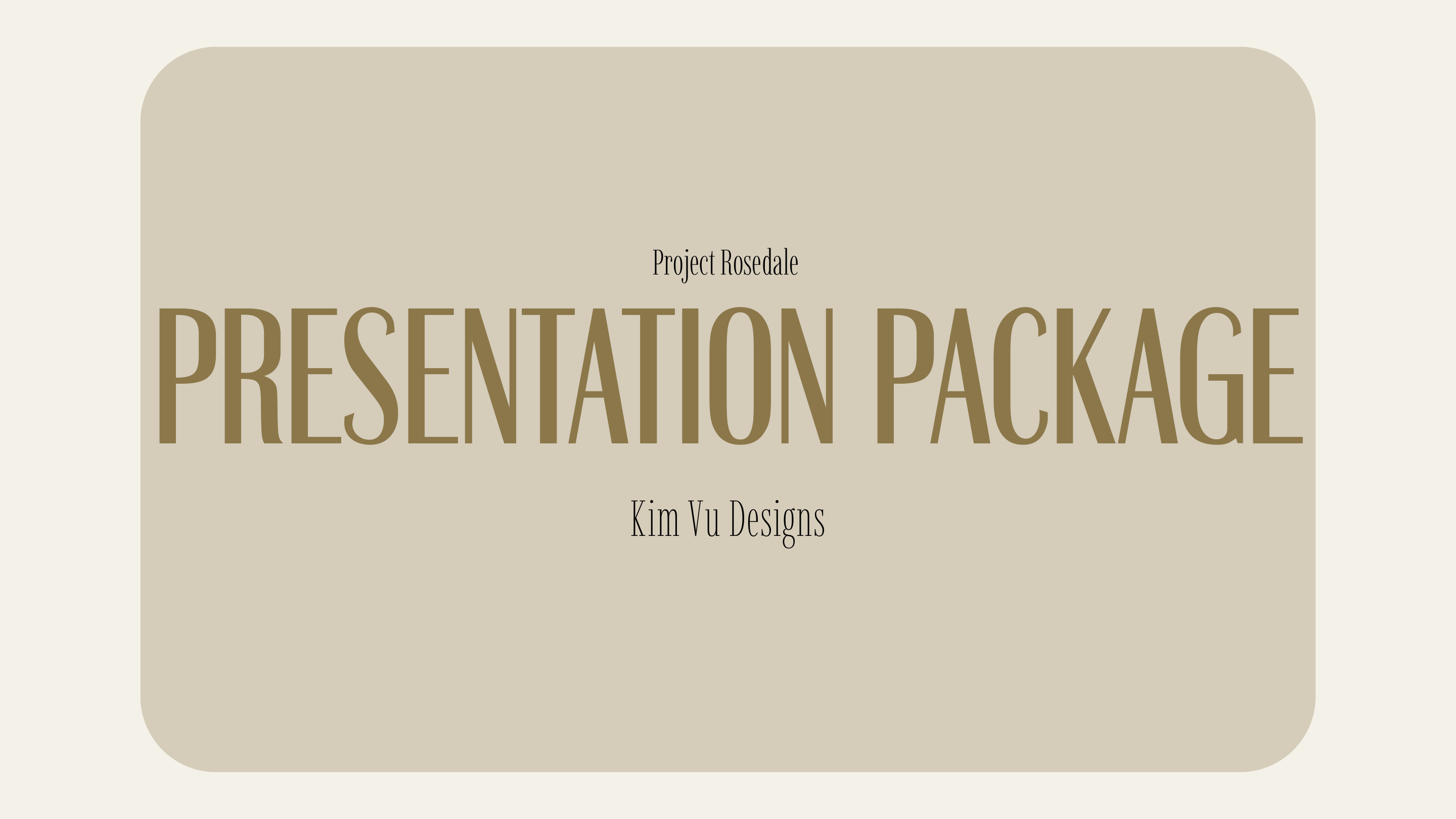
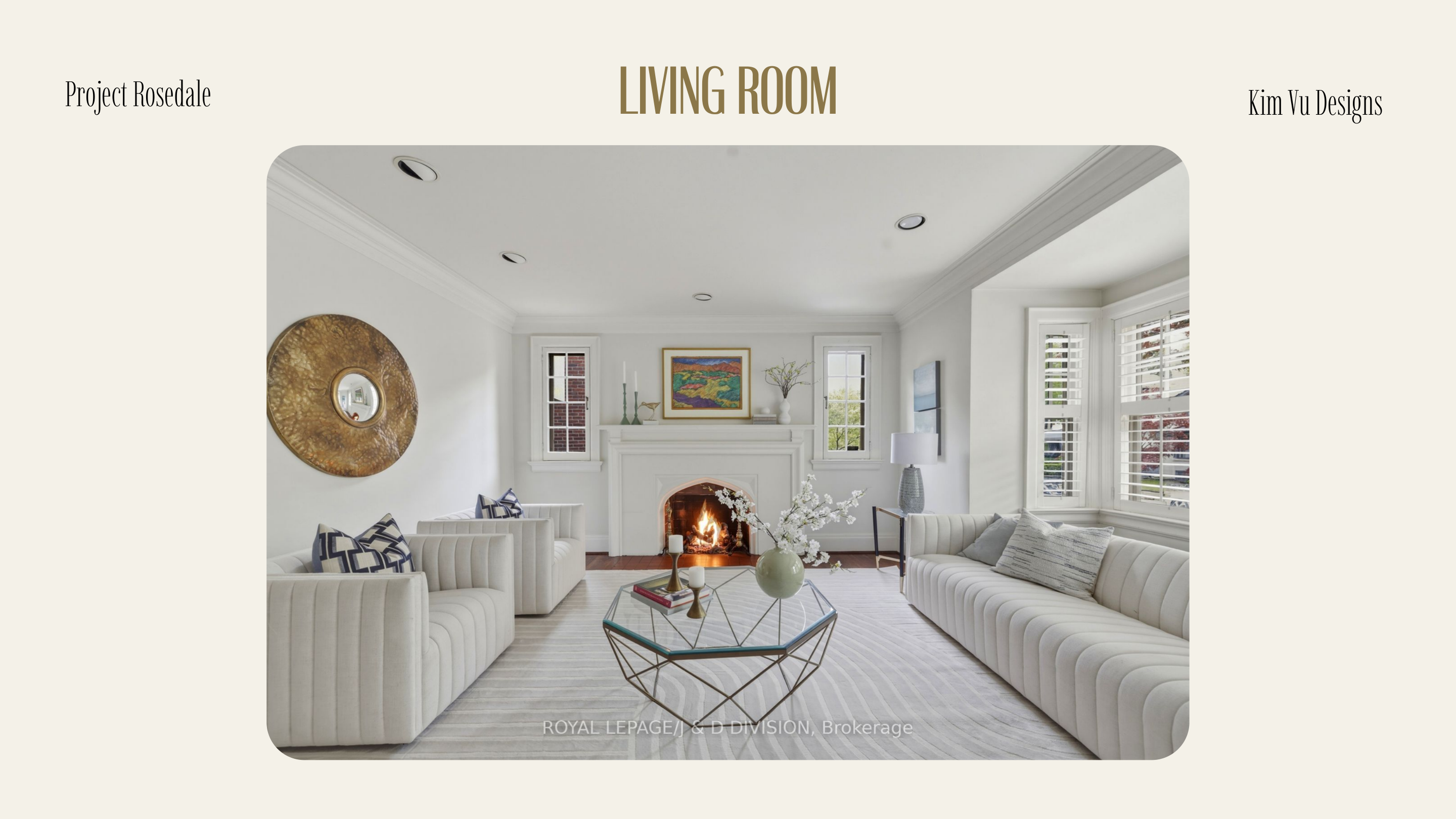
Project Rosedale is a full-home interior design project for a classic Rosedale residence, reimagining the living room, kitchen, breakfast nook, and dining room as one cohesive, layered home. The palette moves from a soft Monterey White in the living spaces, to a calming Gloucester Sage in the kitchen, and into a deep, enveloping Chimichurri green in the dining room. Warm wood tones, an arched display niche, and tailored millwork bring depth and intimacy, balancing the home's traditional architecture with a modern, lived-in warmth.
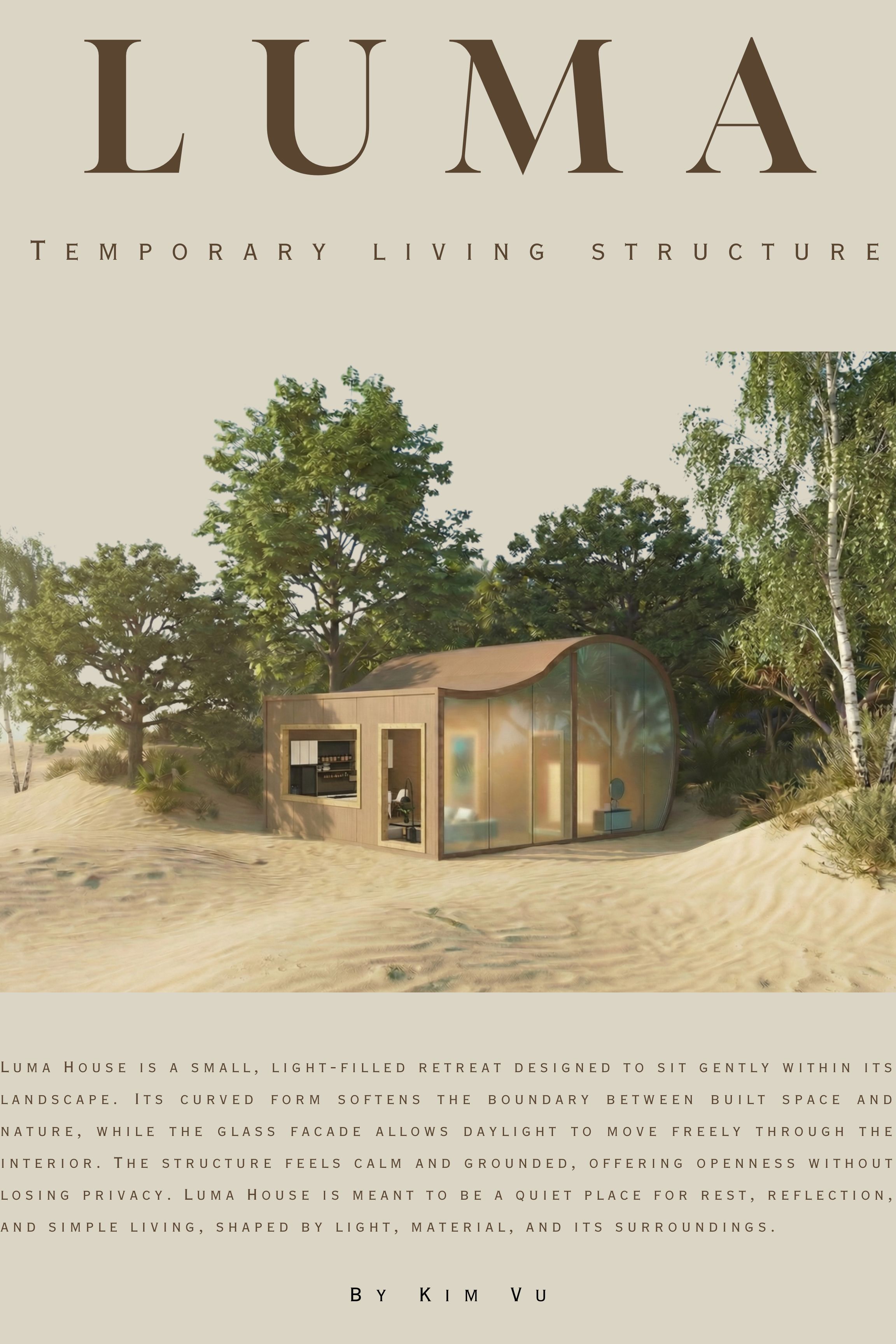
LUMA House is a small, light-filled retreat designed to sit gently within its landscape. Its curved form softens the boundary between built space and nature, while the glass facade allows daylight to move freely through the interior. The structure feels calm and grounded, offering openness without losing privacy. LUMA House is meant to be a quiet place for rest, reflection, and simple living, shaped by light, material, and its surroundings.
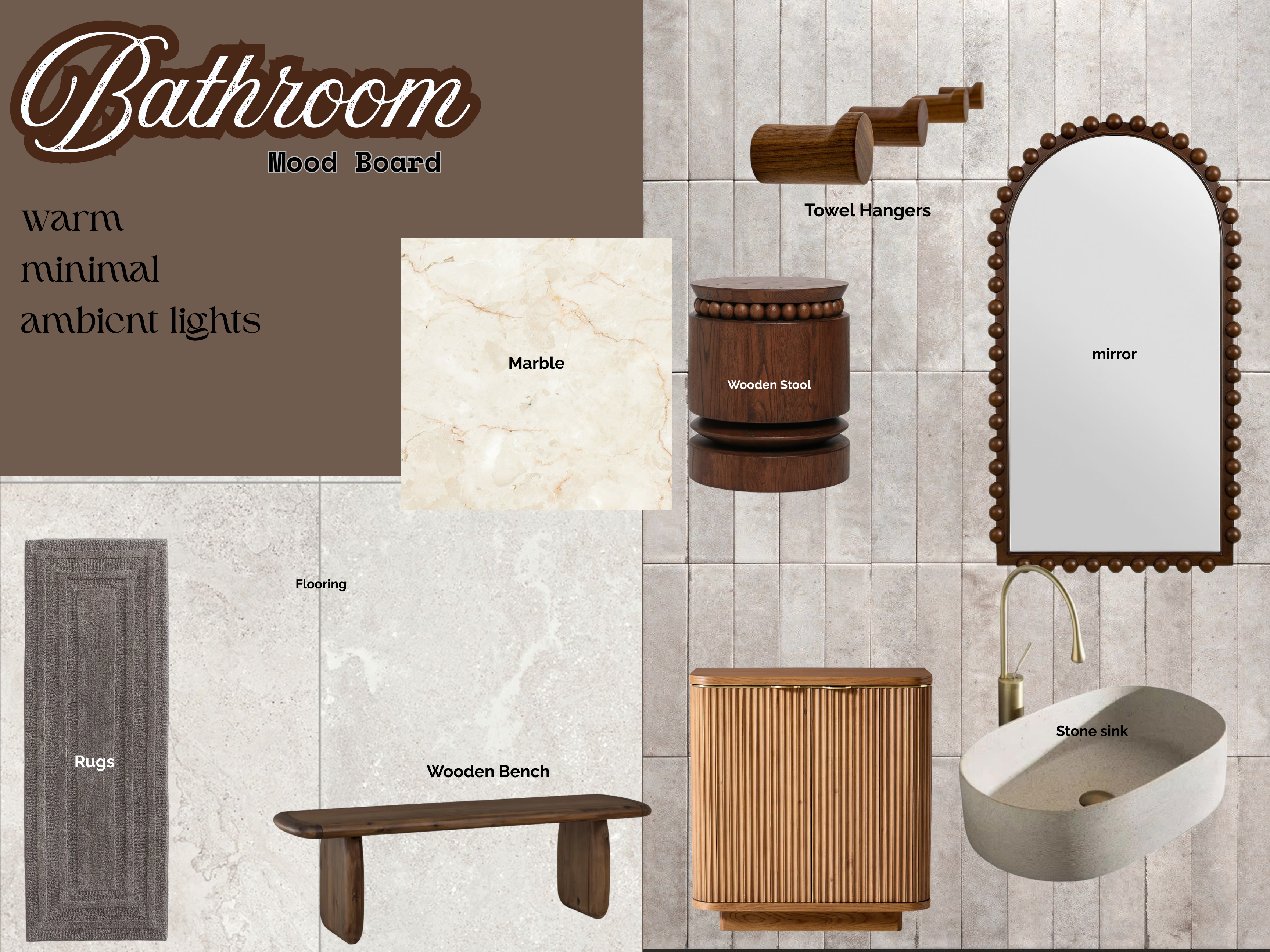
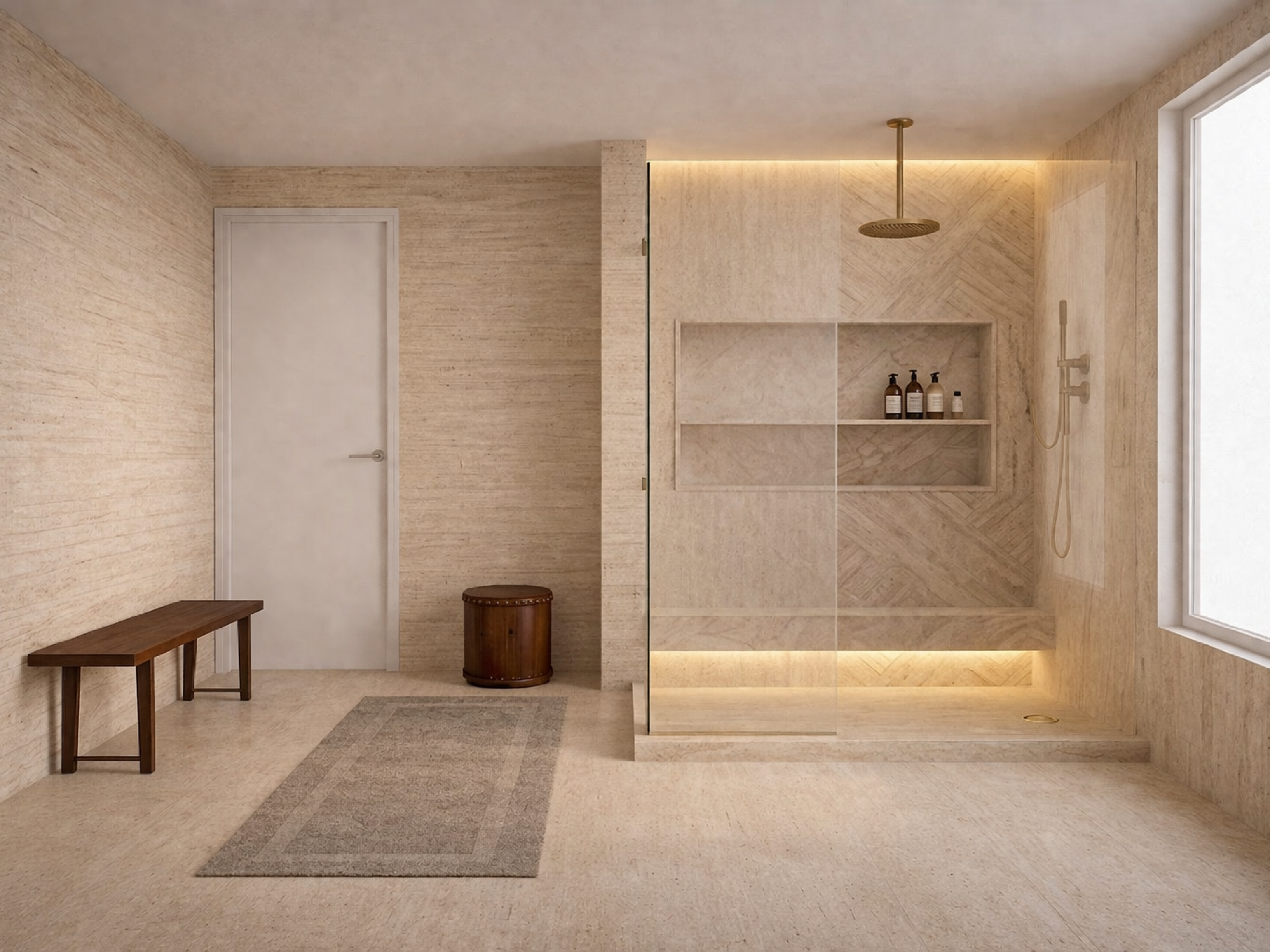
This bathroom is designed for those who appreciate minimal spaces that still feel intentional and meaningful. Every element serves a purpose, creating a clean and calming environment without excess. Warm lighting softens the space at night, transforming it into a more intimate and relaxing atmosphere.
AI was used as a tool throughout the design process to explore variations, test ideas, and visualize possibilities quickly. Rather than replacing design thinking, it supported it, helping refine the concept and push the project further while keeping the focus on human experience.
I’m Kim Vu, an interior designer and aspiring architect. I’m passionate about creating places that bring people together and make everyday life feel a little more meaningful.
Design has always been a big part of my life. I grew up around it, and over time it became something I truly connected with. I love the idea that a well-designed place can shape how people feel, interact, and experience the world around them.
For me, design is about people first. I want to create environments that feel welcoming, inspiring, and memorable. Spaces where people can connect, feel comfortable, and create moments that matter.